Category: Syrups

  • Grenadine Syrup

    Grenadine Syrup

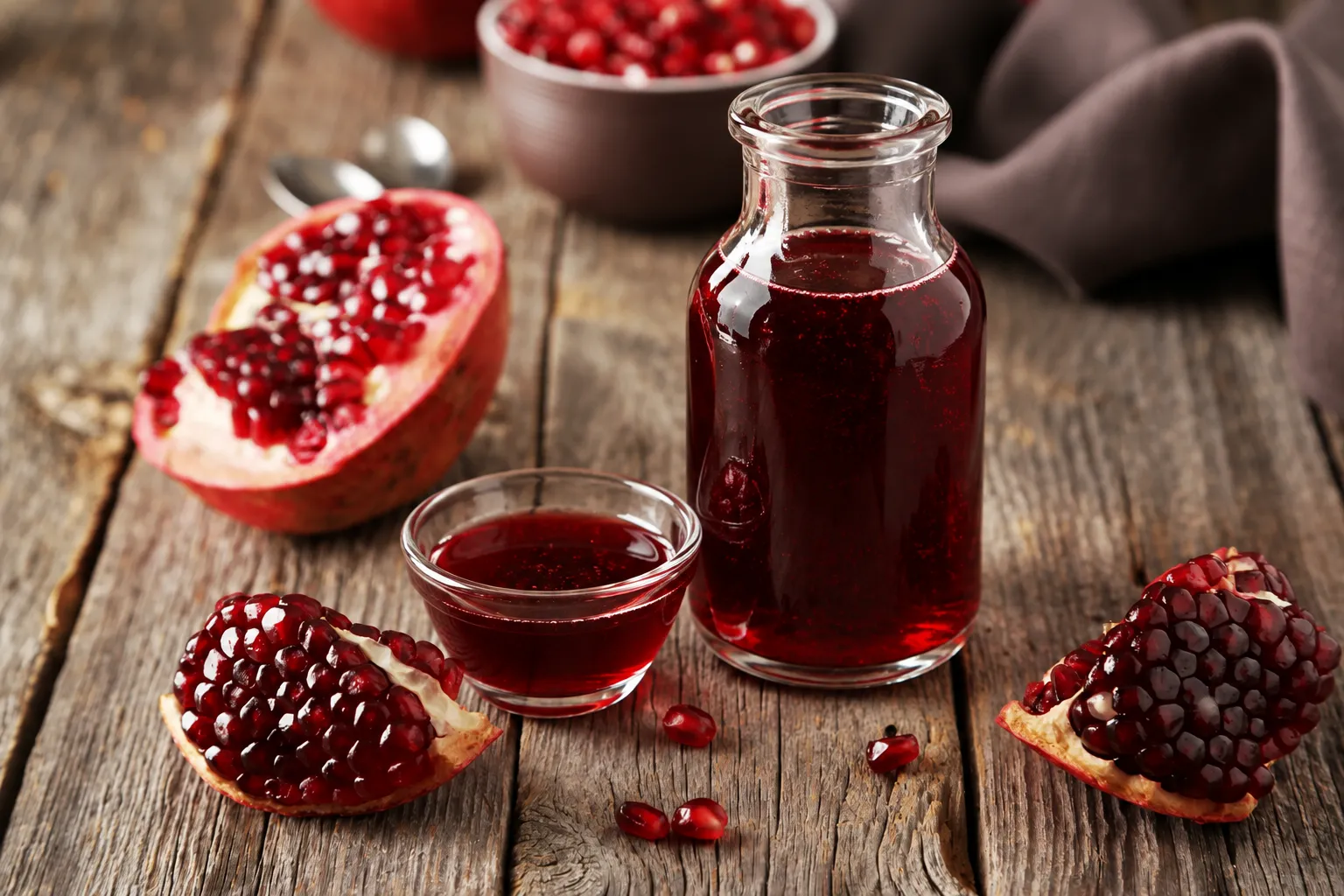
    Grenadine is more than a coloring agent. It is a pomegranate syrup: fruit, acidity, and enough sugar to give the liquid body. This version begins with pomegranate juice and builds from there.

    Unsweetened juice keeps the flavor fresh. Sugar dissolves into it and gives the syrup weight. A small measure of pomegranate molasses adds a darker, sharper note without a long reduction on the stove. Orange blossom water belongs at the edge of the aroma, not in the center of the taste.

    Make a small batch. Pomegranate juices and molasses vary. Taste as you go. The finished syrup should still taste unmistakably of the fruit.

    Yield: About 2 cups

    Ingredients

    • 1 cup unsweetened pomegranate juice
    • 1 cup white sugar
    • ¼ cup pomegranate molasses
    • Up to ½ teaspoon orange blossom water

    Method

    1. Combine the juice, sugar, and molasses in a small saucepan. Warm gently over low to medium-low heat, stirring until the sugar dissolves and the molasses loosens into the liquid. Do not boil or reduce; the heat is only there to dissolve.
    2. Remove from the heat and let the syrup cool to room temperature.
    3. Stir in ¼ teaspoon orange blossom water. Taste. Add the remaining ¼ teaspoon only if you want a more noticeable floral edge. The blossom water should lift the pomegranate, not perfume it.
    4. Pour into a clean bottle or jar, cover, and refrigerate.

    Why this method

    A long simmer concentrates juice, but it can also dull its fresh character and darken the color. Fresh juice plus a measured amount of molasses gives depth without a long reduction.

    Adding orange blossom water after the syrup cools makes its aroma easier to judge and harder to overdo.

    How to taste it first

    Start with a spoonful in cold sparkling water. That gives you a clear sense of the syrup before it becomes part of a more complex drink.

    For a cocktail, try it in Sidewinder’s Singapore Sling, made with Sidewinder Dry Gin. The grenadine contributes pomegranate as well as color.

    For a wine spritz, try a small measure with chilled dry rosé and soda water, then adjust to taste. Grenadine can supply fruit and sweetness while the wine keeps the drink dry. It also works in iced tea or over plain yogurt.

    Notes

    Use 100 percent pomegranate juice with no added sugar. Sweetened juice will make a heavier syrup.

    Pomegranate molasses varies in tartness and intensity. If yours is especially dark or thick, start with a little less and add to taste after the sugar dissolves.

    Keep refrigerated and use within two weeks. Freeze small portions for longer storage.
  • Pumpkin Spice Syrup

    Pumpkin Spice Syrup

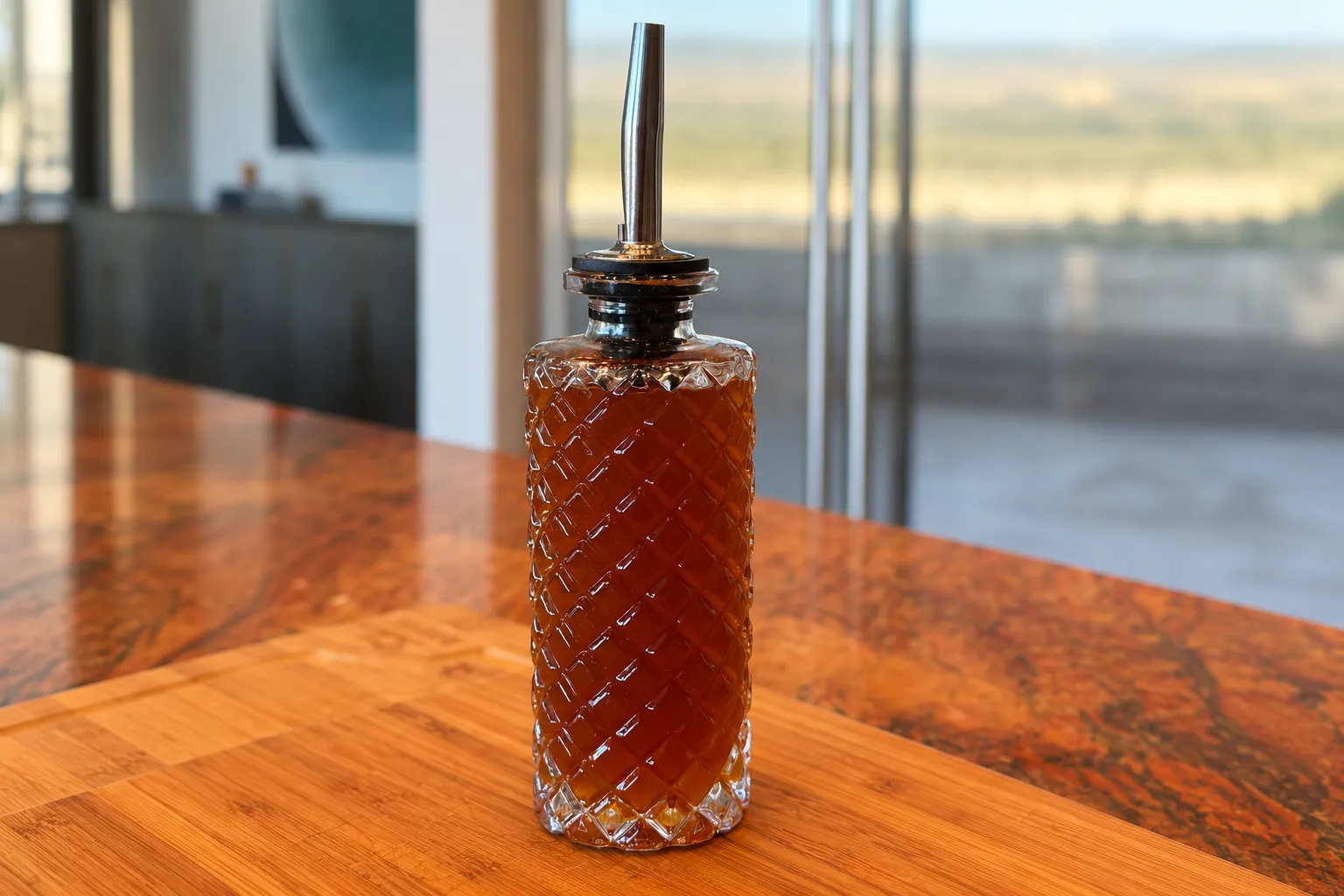
    A warmly spiced syrup made with real pumpkin and whole spices—for coffee, cocktails, desserts, and whatever else the season suggests.

    Built on a 2:1 rich syrup—two parts Demerara sugar to one part water by weight—this version has a fuller body and concentrated sweetness, so a little goes a long way.

    Ingredients

    • 200 g Demerara sugar
    • 100 g water
    • 60 g unsweetened pumpkin purée
    • 1 three-inch cinnamon stick
    • 10 g fresh ginger, thinly sliced
    • 5 green cardamom pods
    • 5 allspice berries
    • 3 whole cloves
    • 4–6 black peppercorns
    • ¼ teaspoon freshly grated nutmeg
    • Pinch of salt
    • 1 teaspoon vanilla paste

    Method

    1. Place the cinnamon, cardamom, allspice, cloves, and peppercorns in a dry saucepan over medium-low heat. Toast for 45–60 seconds, shaking the pan occasionally, until the spices become fragrant.
    2. Transfer the spices to a mortar and allow them to cool briefly. Crush them coarsely—enough to crack the cardamom pods and expose the seeds, but not so finely that they become powder.
    3. Combine the Demerara sugar, water, pumpkin purée, ginger, nutmeg, and salt in the saucepan. Add the crushed spices and stir over medium-low heat until the sugars dissolve.
    4. Bring the mixture to a gentle simmer and cook for 5 minutes, stirring occasionally. Avoid a vigorous boil.
    5. Remove the saucepan from the heat and allow the syrup to steep for 15–20 minutes.
    6. Strain the syrup through a sieve lined with two layers of cheesecloth into a heatproof bowl or measuring cup. Stir in the vanilla paste while the syrup is still warm.
    7. Allow the syrup to cool, then transfer it to a clean bottle or jar. Refrigerate and use within 10 days. Shake gently before using if the pumpkin settles.

    Why This Version

    This version started with a simple question: could a pumpkin spice syrup taste of pumpkin, rather than only the spices we associate with it? Real pumpkin purée supplies earthiness, color, and body that sugar and spice alone cannot provide.

    The base is a 2:1 rich syrup made entirely with Demerara sugar. Its restrained molasses note suits pumpkin better than the clean sweetness of white sugar, and the higher concentration gives the finished syrup enough weight that relatively little is needed in a drink.

    Whole spices produce a more layered result than a prepared blend. Toasting and coarsely crushing them releases their aromas without leaving powdered spice suspended in the syrup. Cinnamon, clove, allspice, and nutmeg provide familiar warmth; fresh ginger and black pepper keep that warmth from becoming heavy. Green cardamom adds fragrance and lift without the smoky, resinous character of black cardamom. Vanilla paste rounds the edges without becoming the dominant flavor.

    Orange peel was left out on purpose. It would brighten the syrup, but it would also pull it toward a citrusy, mulled-holiday profile. This version is meant to stay darker, earthier, and more distinctly pumpkin.

    Where to Use It

    This syrup is meant to move easily between coffee, cocktails, and dessert. Stir a small amount into coffee or espresso, use it in place of ordinary simple syrup in bourbon or aged rum drinks, spoon it over baked apples or pears, or fold it into lightly sweetened whipped cream. As we test these ideas, each finished recipe will be linked here.

    The recipe uses only 60 grams of pumpkin purée. Freeze the remainder of the can in measured portions; one can will supply several batches across the twelve-week pumpkin season. What might otherwise become an awkward leftover becomes the start of the next experiment.